Activaciones de marca
Brand activation vs experiential marketing: the real differences
By Jorge Palomino, Director and co-founder of MAIK · · 5 min read

A brand activation is a specific, time-bound action that puts a brand in direct contact with its audience to trigger a response: try, buy, sign up, share. Experiential marketing is a broader approach: using a lived experience as the main vehicle for the message. They often overlap, but they are not synonyms, and mixing them up leads to briefing (and paying for) the wrong thing. At MAIK we produce events and activations in Barcelona, and this is how we tell them apart.
In short
- An activation is defined by its goal and moment; experiential marketing by how it communicates.
- You can have an activation with no real experience (handing out samples) and an experience with no immediate activation (a session that builds image).
- If you need a measurable short-term response, start with an activation. If you need to change how the brand is perceived, start with an experience.
What a brand activation is
To activate is to take the brand off the screen or the shelf and get people to act at a specific time and place. It has a start and an end, is usually tied to a reason (an opening, a launch, a season), and success is judged by what people did: samples tried, sign-ups, sales, content posted.
It does not have to be spectacular. A tasting stand at a festival is an activation, even if nobody remembers it as an experience. The term covers modest actions, but there is always a response being sought.
What experiential marketing is
Here what matters is that people live something that conveys what the brand is, rather than being told. Experiential marketing can take the form of an event, an installation or a store designed as a place to go, and its effects are usually less immediate: association, memory, conversation, community.
It is a way of thinking about communication more than a format. A brand can apply it for years, across successive actions, without any of them chasing a same-day sale.
The differences, point by point
| Brand activation | Experiential marketing | |
|---|---|---|
| What it is | A time-bound action | A communication approach |
| Question it answers | What do we want people to do now? | What do we want them to feel and remember? |
| Time horizon | Short: the action and the days after | Medium to long: can be sustained over time |
| Typical formats | Sampling, event stand, opening, drop, giveaway | Own event, installation, brand space, series of sessions |
| What gets measured | Participation, sign-ups, sales, content | Recall, perception, conversation, returning audience |
| Main risk | Lots of action, little brand: it gets forgotten | Lots of beauty, no response: hard to justify |
Where they cross: MAIK cases
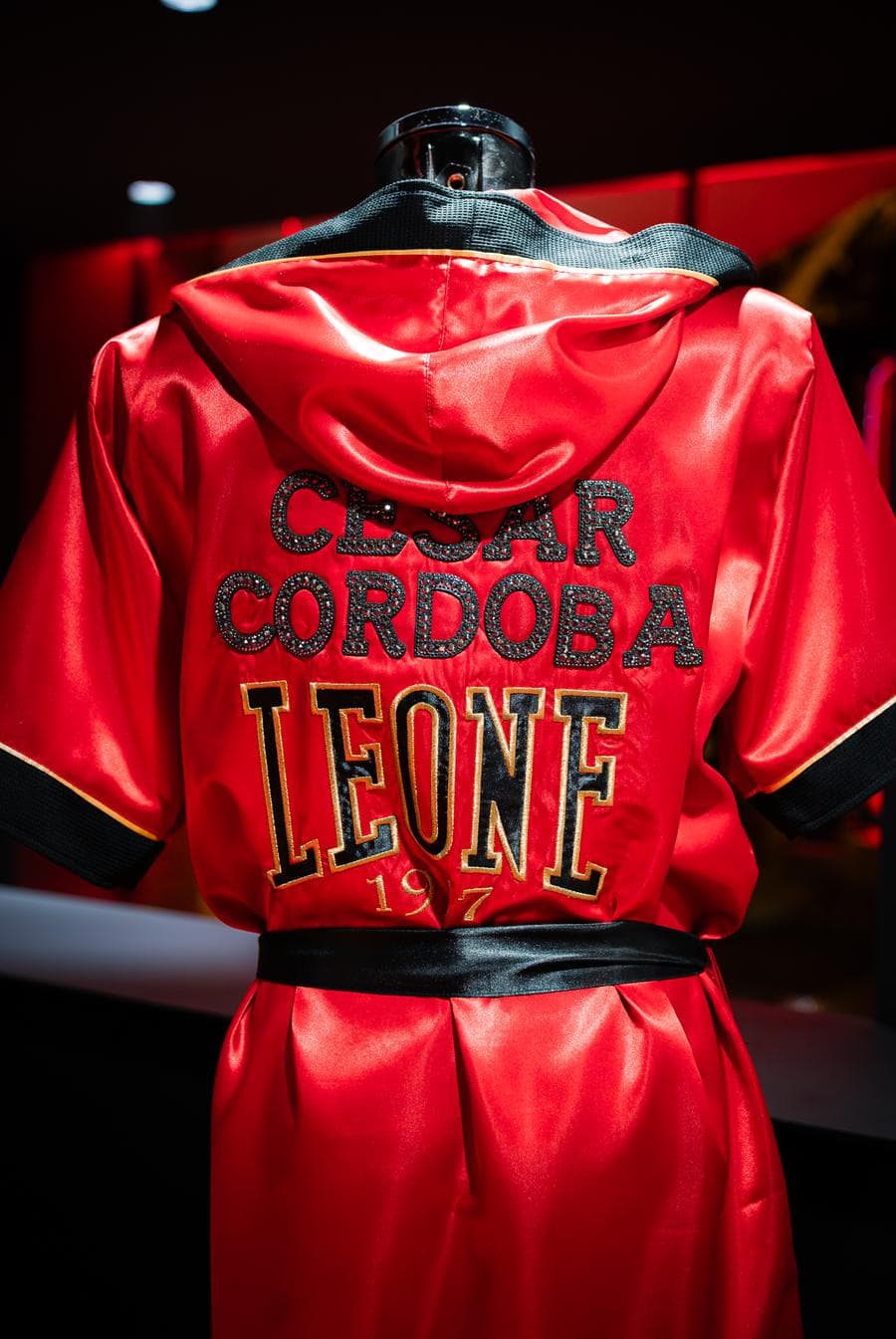
Leone Shop opening (October 2025). It has a reason and a date, so it is an activation. The form is experiential: live DJs, art installations and community, with streetwear culture meeting electronic music. It is an example of both at once.
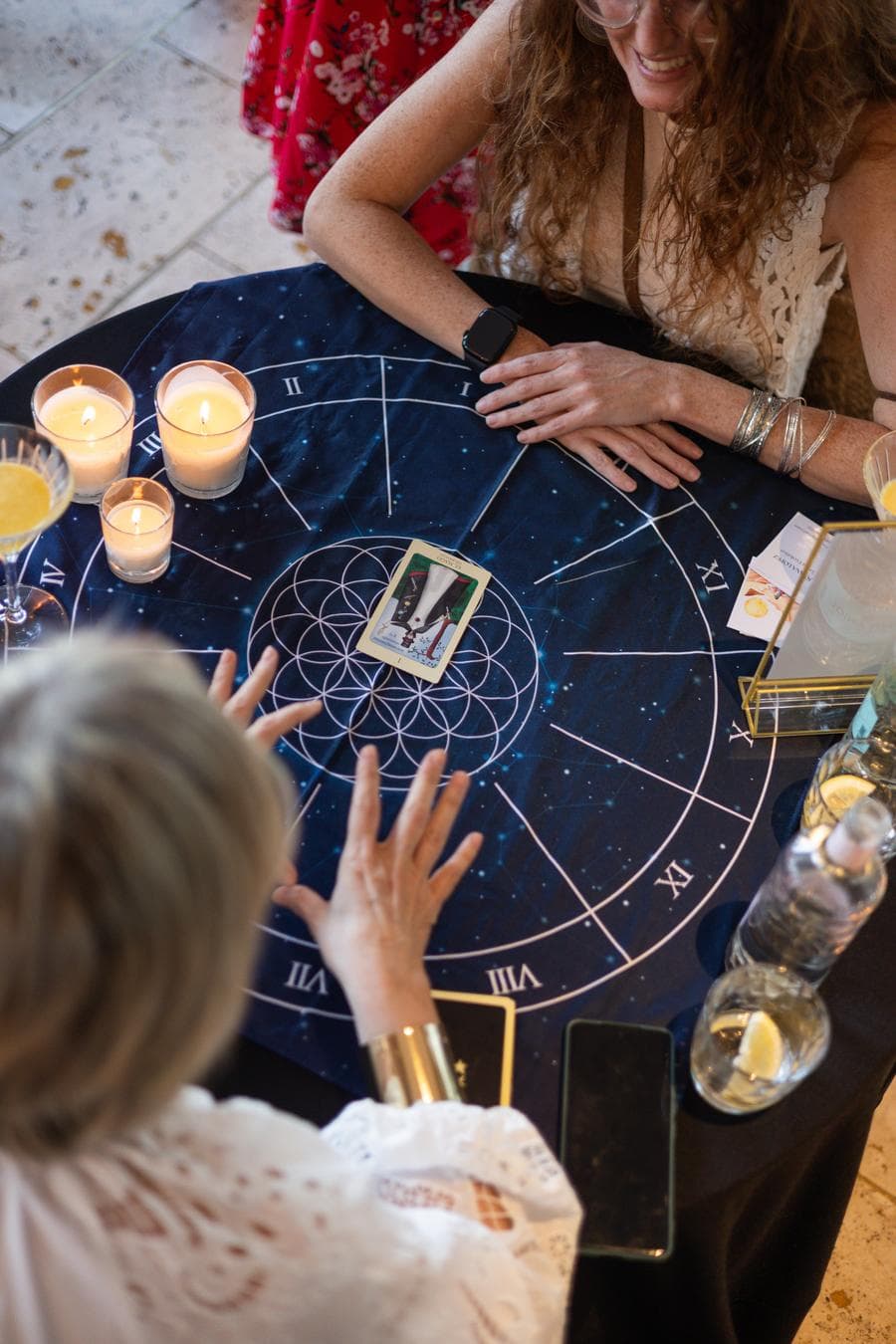
Almanac sessions (February 2026). Live music, tarot readings and views across the city's rooftops at Azimuth Rooftop. Atmosphere carries the weight here: this is the experiential side, not a call to act on the spot.
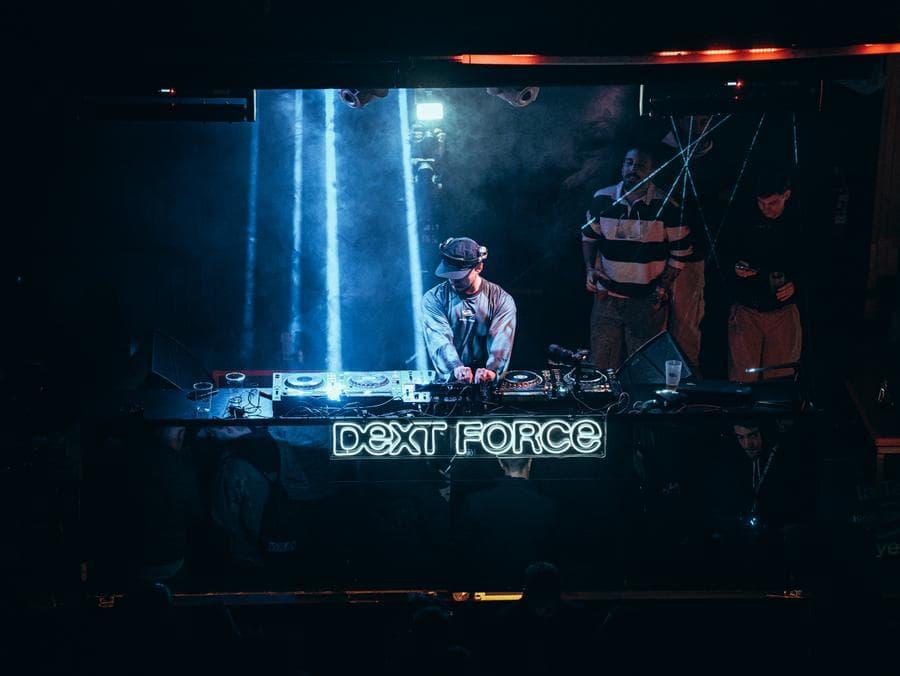
Brands at Dext Force Festival. Red Bull, Bybit and TradingView have activated inside the festival, which drew 1,500 attendees at its latest edition. For those brands it is an activation in front of an audience already gathered. The festival itself, with conferences by day and sets by night, works as a complete experience.
MERY opening (September 2025) and the El Santo night (February 2026). The first presents an art-deco venue with signature cocktails; the second is an intimate underground electronic session. In both, atmosphere is the message. A recurring format like Fuego at Eden Ibiza, with production and booking on Saturdays from May to August 2026, is strictly neither: it is seasonal programming, which should not be confused with a brand action.
When each option is the wrong one
An activation is wrong if:
- The problem is perception. Handing out product does not change what people think of a brand they do not understand.
- There is nothing to do next. Without a next step (store, sign-up, purchase), the response ends in the moment.
- The product cannot be tried or shown in that setting.
Experiential marketing is wrong if:
- Leadership needs sales this quarter and will judge on nothing else.
- It is not yet clear what the brand wants to say. An experience amplifies the message but cannot replace it.
- There is only budget for one small action. A half-produced experience usually lands worse than a simple, well-run activation.
If you already know the format, our page on brand activations in Barcelona explains what production includes.
How to decide in three questions
- What has to change? A behaviour points to activation. A perception points to experience.
- When do you need to see it? The shorter the timeframe, the better suited an activation with a defined response.
- Will there be continuity? If you can repeat, experience accumulates; if it is one time only, define exactly what must happen that day.
Often the right answer is to combine: an activation shaped as an experience, like the Leone opening. If the format is settled, our guide to brand activation spaces in Barcelona helps with the place, and how to plan a company event with the process.
How we work at MAIK
We have worked with brands such as Leone, MERY, Red Bull, Bybit, TradingView, Café de Finca and Enterprise, and we always start from the goal, not the format. If a simple action suits you better, we will say so. Planning a launch or an opening? Tell us brand, audience and goal and we will tell you which format fits.
Frequently asked questions
- Is a brand activation experiential marketing?
- It can be, but not always. An activation is a time-bound action seeking a response; it is experiential only if that response comes through something lived rather than a simple giveaway or promotion.
- Which is better, activation or experiential marketing?
- Neither in the abstract. Activation fits when you want a short-term response; an experiential approach fits when you want to shift brand perception and can sustain it.
- Can a store opening be both?
- Yes. The Leone Shop opening had a date and a reason, typical of an activation, and an experiential form, with live DJs and art installations.
Jorge Palomino · Director and co-founder of MAIK
Co-founder of MAIK studio. Runs production, venues and talent on every event, from proposal to show day.
Shall we plan your next event?
Tell us the date, guest count and rough budget and we will send you a tailored proposal.
Let's talk